What Happens When Your Business Alarm Goes Off After Hours?
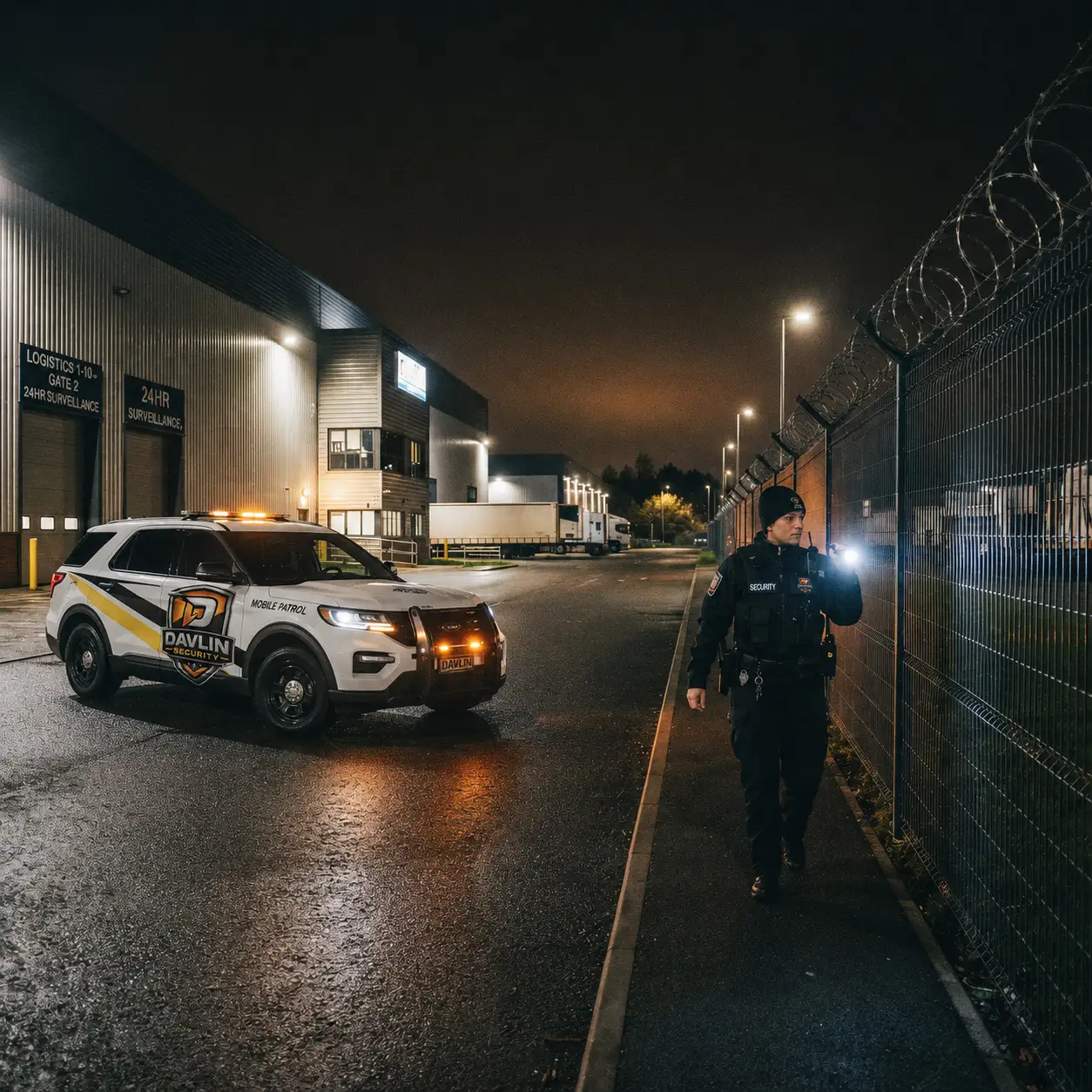
When your business alarm goes off after hours, it can be stressful and uncertain. Is it a false alarm, an attempted break-in, a staff error, storm movement, an unsecured door or a genuine security threat?
For business owners, site managers and property managers, the biggest question is often what happens next. If no one is available to attend the property, the alarm may not provide the level of protection you expect.
For businesses across Campbelltown, Macarthur and Western Sydney, having a clear after-hours alarm response plan can help protect your property, staff, stock and equipment. Davlin Security provides alarm response services, mobile patrols and commercial security to support businesses when their premises are unattended.
Why After-Hours Alarm Activations Matter
An alarm system is an important part of business security, but an alarm is only effective if there is a clear response process behind it. When an alarm activates outside business hours, someone needs to assess the situation and decide what action is required.
Without a response plan, business owners or staff may feel pressured to attend the premises themselves. This can create safety risks, especially if there is a possibility of forced entry, trespassing or suspicious activity on site.
A professional security response helps ensure alarm activations are checked by trained personnel instead of leaving the situation unresolved until the next business day.
1. The Alarm Is Triggered
The first step is the alarm activation itself. This may be caused by movement inside the premises, a door or window being opened, a sensor being triggered, a duress event or another alert from the security system.
Common causes of after-hours alarm activations can include:
- Attempted break-ins
- Unauthorised entry
- Staff or contractor error
- Unsecured doors or windows
- Movement from objects, signage or loose materials
- Electrical faults or system issues
- Storms, wind or environmental movement
- Animals entering the premises or external areas
Not every alarm activation is a confirmed threat, but every alarm should be taken seriously until the site has been checked.
2. The Alarm Notification Is Received
Once the alarm is triggered, the notification may be sent to a monitoring centre, business owner, nominated key holder, security provider or authorised contact depending on how the system is configured.
This is where planning becomes important. Businesses should know exactly who receives the alarm notification, who is responsible for taking action and what should happen if the first contact cannot be reached.
If your business does not have a clear contact and escalation process, an alarm activation may be delayed, missed or handled inconsistently.
3. A Security Response May Be Dispatched
If professional alarm response has been arranged, trained security personnel can be dispatched to attend the property and check the site.
This reduces the need for owners, managers or staff to attend a possible break-in alone, especially late at night or during weekends and public holidays.
Davlin Security provides alarm response services for businesses that need a professional response when an alarm activates after hours.
4. The Security Officer Checks the Exterior of the Property
When a security officer arrives on site, the first step is usually to assess the property from a safe position. This may include checking for obvious signs of forced entry, damage, suspicious vehicles, open gates or unusual activity.
External checks may include:
- Front doors and rear doors
- Roller doors and loading docks
- Windows and glass panels
- Side gates and fencing
- Car parks and driveways
- External storage areas
- Lighting and visibility
- Signs of tampering or damage
The goal is to determine whether the alarm appears to be a false activation, a site issue or a genuine security concern requiring escalation.
5. Signs of Forced Entry Are Checked
After-hours alarm activations should always be checked carefully for signs of forced entry. These signs may not be obvious from a distance and may only be noticed during a closer site inspection.
Possible signs of forced entry include:
- Damaged locks
- Broken windows
- Forced doors
- Open roller doors
- Cut fencing
- Broken gate chains
- Damaged alarm equipment
- Items moved near access points
If signs of forced entry are found, the security officer can follow the agreed escalation procedure and contact the appropriate people or emergency services if required.
6. The Site Is Assessed for Suspicious Activity
An alarm activation may not always involve obvious damage. Suspicious activity around the site can also be a concern, especially if people or vehicles are seen nearby after hours.
Security personnel can look for signs such as people loitering, vehicles parked in unusual locations, open gates, disturbed materials, damaged lighting or activity around rear access points.
For larger commercial properties, warehouses and industrial sites, this type of assessment can be particularly important because the property may have multiple entry points and hidden areas.
7. The Alarm May Be Reset or Escalated
What happens next will depend on the site instructions and what the security officer finds. If there are no signs of forced entry or suspicious activity, the alarm may be reset where authorised and the site may be secured.
If there are signs of damage, attempted entry or a possible offender on site, the matter may need to be escalated. This could involve contacting police, the business owner, a nominated key holder, a property manager or another authorised contact.
This is why businesses should have clear site instructions in place before an alarm activation occurs.
8. The Business Owner or Key Holder Is Updated
Communication is an important part of alarm response. After the site has been checked, the business owner, manager or nominated contact should receive an update on what happened and whether any action is required.
This may include information about:
- Time of attendance
- Areas checked
- Whether the site appeared secure
- Any signs of damage or forced entry
- Whether police or emergency services were contacted
- Whether further action is required
Clear communication helps business owners make informed decisions without having to attend the site unnecessarily.
9. An Incident Report May Be Provided
Incident reporting helps create a record of what occurred during an alarm activation. This can be useful for business records, insurance discussions, police reports, property management and future security planning.
An incident report may include the time of the alarm, time of attendance, observations, actions taken, site condition and any recommended follow-up.
Over time, these reports can help identify patterns, such as repeated activations from one area, recurring site vulnerabilities or attempted break-ins during certain times.
10. Mobile Patrols Can Help Reduce Repeat Alarm Risks
If your business experiences repeated after-hours alarm activations, mobile patrols may help strengthen your security plan.
Mobile patrols provide visible site checks that can deter trespassing, theft and vandalism before an alarm is triggered. Patrol officers can check doors, gates, car parks, loading docks, external areas and signs of suspicious activity.
For many businesses, combining alarm response with mobile patrols creates a stronger after-hours security solution than relying on an alarm system alone.
Why Business Owners Should Avoid Attending Alarm Activations Alone
When an alarm goes off after hours, it can be tempting for business owners or staff to drive to the property and check it themselves. However, attending a possible break-in alone can be risky.
You may not know whether an offender is still on site, whether there has been forced entry or whether the area is safe to approach.
Using a professional security provider helps reduce this risk. Trained security personnel can attend the site, assess the situation and follow the correct escalation process if something is wrong.
Which Businesses Need After-Hours Alarm Response?
After-hours alarm response can be useful for many types of businesses and properties, especially those that are unattended overnight or contain valuable assets.
Common sites that may benefit include:
- Retail stores
- Commercial offices
- Warehouses
- Industrial units
- Construction sites
- Medical centres
- Professional suites
- Storage yards
- Schools and community facilities
- Strata and managed properties
Davlin Security provides commercial security services for businesses and properties that need a practical and reliable protection plan.
What Should Be Included in an Alarm Response Plan?
A good alarm response plan should be clear, practical and easy to follow. It should outline what happens when an alarm activates and who is responsible for each step.
Your plan should include:
- Alarm monitoring details
- Nominated contacts and key holders
- Security response instructions
- Access details for authorised personnel
- Police or emergency escalation instructions
- Site-specific risks
- Reporting requirements
- After-hours communication preferences
Reviewing these details regularly helps ensure the response process stays accurate as staff, contacts and site conditions change.
Alarm Response for High-Risk Staff or Business Owners
Some business owners, managers or staff may be at greater risk when attending after-hours incidents. This can be due to the nature of the business, high-value stock, cash handling, public-facing roles, workplace disputes or previous security concerns.
For clients who require additional support, Davlin Security can also provide executive protection services as part of a tailored security plan.
Protect Your Business After Hours with Davlin Security
An alarm system is an important security tool, but it needs a reliable response process behind it. When your business alarm goes off after hours, you need to know that the situation will be assessed, reported and escalated if required.
Davlin Security provides professional alarm response services, mobile patrols and commercial security across Campbelltown, Macarthur and Western Sydney.
Contact Davlin Security today to discuss an after-hours alarm response plan for your business, site or property.
Frequently Asked Questions
What happens when a business alarm goes off after hours?
When a business alarm activates after hours, the notification may be sent to a monitoring centre, business owner, key holder or security provider. If alarm response has been arranged, trained security personnel can attend the site, check for signs of forced entry and follow the agreed response procedure.
Should I attend my business alarm activation myself?
It is generally safer to avoid attending a possible break-in alone. A professional alarm response service can send trained security personnel to assess the site and escalate the matter if required.
Can mobile patrols respond to alarm activations?
Mobile patrols can often support alarm response services, depending on the arrangement. Patrol officers can attend the property, check external areas and report signs of damage or suspicious activity.
What causes false business alarms?
False alarms can be caused by staff error, unsecured doors or windows, weather, movement inside the premises, animals, equipment faults or environmental factors. Even if an alarm may be false, it should still be checked properly.
Why is an alarm response plan important?
An alarm response plan makes it clear who is notified, who attends the site, what areas are checked and what happens if signs of forced entry are found. This helps reduce confusion during after-hours incidents.
Does Davlin Security provide alarm response in Campbelltown?
Yes. Davlin Security provides alarm response, mobile patrols and commercial security services across Campbelltown, Macarthur and Western Sydney.
Need Professional Security?
Talk to the Davlin Security team about protecting your business or property in Campbelltown.
Davlin Security supports clients with tailored security services and can coordinate with trusted protective service providers when additional support is required, including Partisan Protective Services.