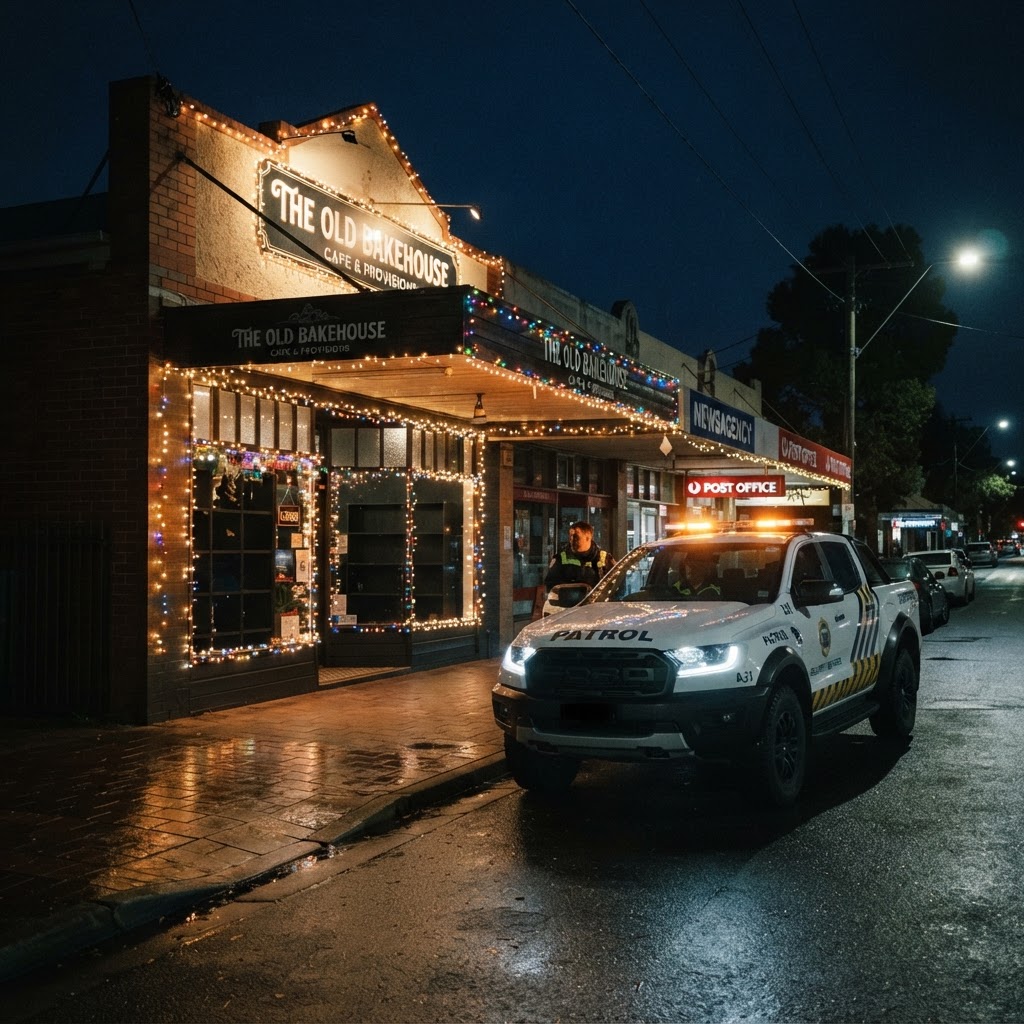
Every December the same scene plays out across Campbelltown and the Macarthur region: shopfronts in the CBD pull down shutters, offices in Narellan and Minto lock up for the break, and industrial units across Ingleburn and Leumeah fall quiet for two or three weeks. It's a well-earned rest — and it's also the stretch of the year when an unattended business is at its most exposed.
The Christmas shutdown concentrates everything burglars like: empty buildings, reduced neighbour presence, slower response from anyone who notices something wrong, and stock or equipment sitting untouched for days. The businesses that get through the holiday period cleanly are usually the ones that treated shutdown security as a deliberate task, not an afterthought. Here's what that looks like.
Why Holiday Risk Rises for Campbelltown Businesses
The risk profile changes in three ways over the shutdown:
- Absence. The single biggest deterrent to break-ins is presence. With staff away for weeks, there's no one to notice a pried door, a jammed roller shutter or unfamiliar vehicles at the loading dock.
- Opportunity. Christmas and Boxing Day are peak retail periods — then trade drops off a cliff. Cash left in tills, stock left on shelves, tools left in workshops and delivery vehicles parked up for the break are all attractive targets when no one returns for days.
- Slower informal response. In January, Macarthur's industrial estates and shopping strips are quiet. A neighbour who'd normally investigate a noise or call a number on the door simply isn't there.
None of this means a shutdown period is dangerous by default. It means the businesses that plan for it face a fraction of the risk of those that don't.
Your Pre-Shutdown Security Checklist
Walk the site with this list before the last person locks up:
- Remove cash and high-value portable items. Banking should be up to date, tills left open and empty (visible empty tills discourage smash-and-grabs), laptops, tablets and small tools taken off-site or secured in a safe.
- Do an asset audit. Photograph stock rooms, key equipment and serial numbers. If you do suffer a loss, an insurer pays on evidence — the holiday period is the worst time to be reconstructing what you owned.
- Test the alarm. Book a monitoring-centre test a few days before shutdown so there's time to fix a fault while trades are still available.
- Check every entry point. Roller doors, rear fire exits, skylights and the back door "nobody uses" are exactly what an intruder uses. Lock, bolt and — where practical — barrier them.
- Control keys and access codes. Know exactly who holds keys and codes, and change any that are unaccounted for. A shutdown is a natural clean-up point.
- Light it up. Motion-activated lighting over entries and loading areas removes the cover darkness provides.
- Clear the perimeter. Bins, pallets and crates stacked against a wall are a ladder. Move them away from the building.
Coverage While You're Closed
A locked door is a start; presence is what deters. That's why the shutdown period is one of the times businesses across Campbelltown and the Macarthur region lean on professional security services most heavily.
Random mobile patrols
A licensed patrol checking your site on a randomised schedule does two jobs at once: it creates genuine presence (an intruder casing the site can't predict when the next visit happens), and it means someone will find a pried door or broken window within hours instead of days. Look for GPS-verified visits and a written report after every check — evidence of attendance matters both for your peace of mind and your insurance.
Back-to-base alarm monitoring
If your alarm isn't monitored, an activation on a closed site is just noise on an empty Narellan or Ingleburn street. Back-to-base monitoring puts a control room on the signal immediately, with a documented response plan — keyholder call, patrol dispatch and police escalation where there's evidence of entry.
Construction and shutdown sites
Workplaces that shut down completely — construction sites, workshops, factories — carry the added problem of valuable plant and materials that can't be taken home. For these sites, a combination of patrols, monitored alarms and physical hardening of the perimeter is the standard shutdown package, and it costs a fraction of the plant it protects.
Licensing and Insurance: Do It Properly
NSW security work is licensed under the Security Industry Act 1997 and administered by SLED. Any patrol or guard working your site must hold current licences, and the provider must operate under a Master Security Licence. It takes one minute to ask for licence details — and one minute to verify them on the SLED public register.
The other quiet driver is insurance. Many commercial policies ask what security arrangements are in place, and a documented patrol and monitoring program during shutdown periods can materially support a claim if the worst happens. A written report trail is worth asking for from day one.
The January Bonus: Your First Check
One habit worth adopting: have the first walkthrough of the new year done with the same care as the pre-shutdown audit. Patrol reports, alarm logs and a quick visual check of stock against your asset photos close the loop — and any issue gets found while it's still fresh, not at the first stocktake of the year.
Frequently Asked Questions
How many patrols does my business need over the shutdown?
It depends on the site's risk: a storefront in the Campbelltown CBD has a different profile to an industrial unit in Minto. A common approach is randomised visits nightly or several times a week across the shutdown, stepped up around Christmas, Boxing Day and New Year's Eve.
Should I leave lights on all night?
Motion-activated lighting is generally more effective than constant lights, which just tell an observer the building is empty. Combine lighting with unpredictable patrol visits for genuine deterrence.
What if my alarm activates during the shutdown?
With back-to-base monitoring, the control room follows the response plan documented before you left: verifying the activation, dispatching a licensed patrol if required, contacting your nominated keyholder and escalating to police where there's evidence of an offence.
Are shutdown patrols expensive?
Because a patrol officer covers multiple sites in an area, a randomised patrol program is far more affordable than most business owners expect — typically a small fraction of the cost of even a single uninsured loss.
Enjoy the Break — Safely
The holiday shutdown should end with a rested team and an untouched site. A little planning before you lock up — plus monitored alarms and verified patrols while you're away — makes that the boring, predictable outcome it deserves to be. If you'd like a shutdown security plan for your Campbelltown or Macarthur business this year, talk to Davlin Security before the last day of trade.